
In researching pioneer spaces like Corey Helford Gallery, I took a moment today to sit back, catch my breath, and write. My thoughts suddenly drifted toward the idea of an exhibition. I realized that throughout my creative journey since 2005, I have never held a solo exhibition. Beyond preparing artworks in the studio, I recognized the crucial need to conduct deep research on gallery histories to understand the market landscape and today’s art ecosystem.
In my previous article, we explored the roots of Pop Surrealism, from its social context to the key figures behind it [(https://hanskristo.com/the-radical-rebellion-of-pop-surrealism-lowbrow/)]. This time, I want to delve into the history of pioneer exhibition spaces—from early subcultural roots to world-renowned institutions like Corey Helford Gallery—and how these spaces shaped the global movement.
The early Pop Surrealism and Lowbrow movements were centered in Los Angeles, California, driven by a spirit of rebellion against the established, exclusive academic art scene of the era (specifically the High Art discourse dominated by New York galleries). This is precisely why media outlets and pioneer galleries of this aesthetic flourished on the West Coast of the United States.
The foundational galleries that spearheaded Pop Surrealism and Lowbrow include La Luz de Jesus Gallery, Copro Gallery (CoproNason), and Corey Helford Gallery. Initially, Pop Surrealism artworks received virtually no space in mainstream galleries. These pioneer galleries operated inclusively, growing from grassroots communities and alternative spaces. Over time, however, as this visual language gained global acceptance, these spaces transformed into prestigious institutions representing major names in the global art market.
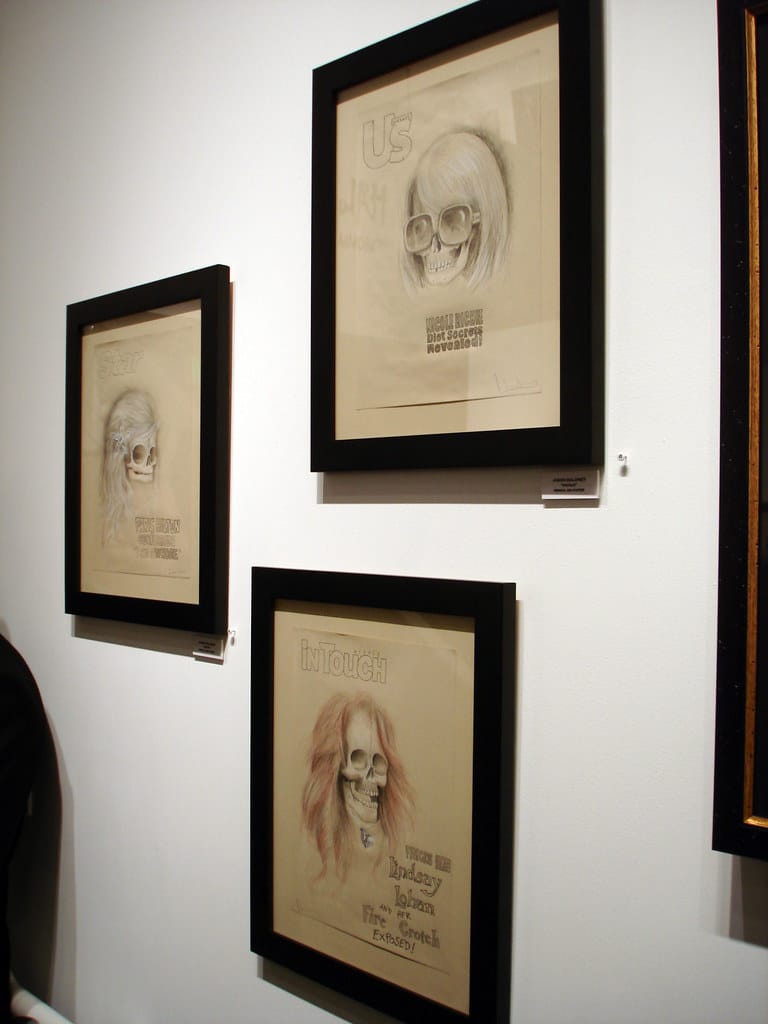
Let us examine the timeline of these pioneer galleries in detail below:
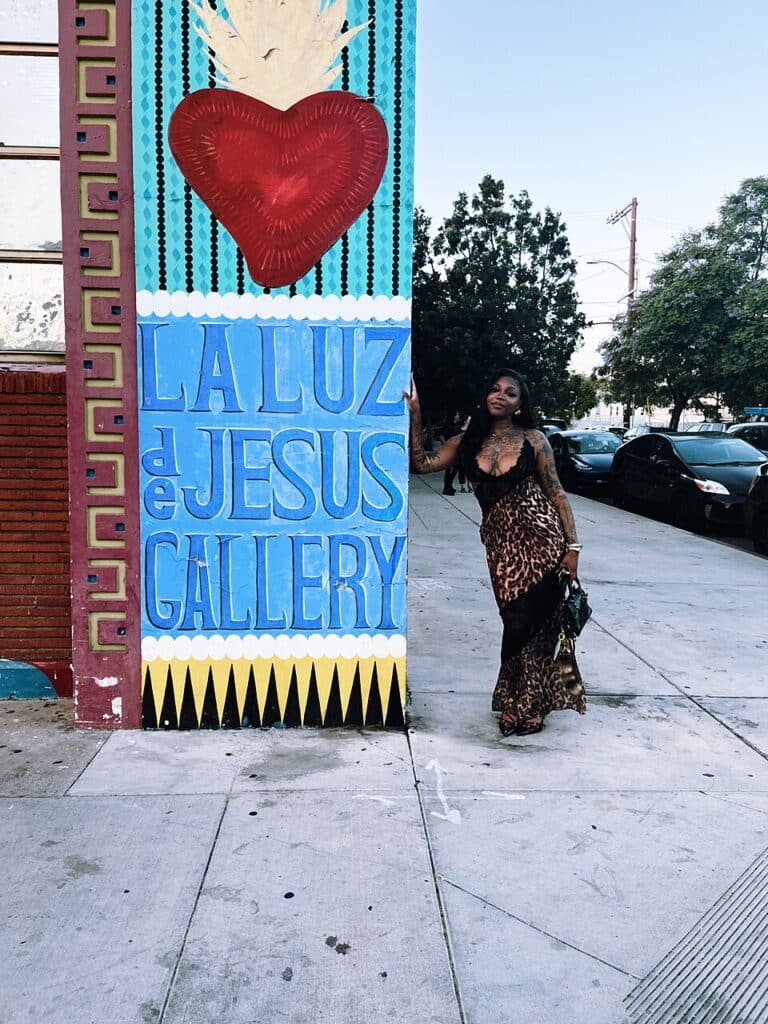
La Luz de Jesus Gallery stands as the first pioneer gallery, established in 1986 in Los Angeles. The Lowbrow movement (which later evolved into Pop Surrealism) was not born within art academies or luxury museums; rather, it emerged from the street subcultures and pop culture of Southern California in the late 1960s and 1970s. La Luz de Jesus served as both a witness and the primary crucible for the birth of this movement.
The gallery was founded by Billy Shire, a figure widely dubbed “The Godfather of Lowbrow.” During the 1970s and 1980s, when mainstream Fine Art excluded works rooted in tattoo art, comics, graffiti, punk subculture, and cartoons—labeling them as kitsch (mass-produced, cheap, overly sentimental, and tacky)—Billy Shire professionally opened his gallery doors to these subcultural artists.
Billy Shire nurtured the early careers of Lowbrow/Pop Surrealism artists such as Mark Ryden, Robert Williams, Joe Coleman, and Manuel Ocampo. He proved that street subculture artists possessed technical mastery and aesthetic qualities equivalent to museum-grade art, bridging the historical gap between High Art and Low Art.
The name La Luz de Jesus is Spanish for “The Light of Jesus.” Though deeply religious in sound, the story behind the name is filled with irony and satire. Billy started his business with a novelty store named Soap Plant in Hollywood, selling vintage clothing, spiritual ornaments, toys, and pop items. He was deeply fond of kitsch aesthetics, folk art, and Mexican religious artifacts. One of the best-selling items in his store was a glowing Jesus wall fixture inscribed with “La Luz de Jesus.”
Choosing this name carried symbolic meaning—a satirical “salvation” for artworks rejected as “artistic sins” by fine art institutions. Furthermore, Pop Surrealism in Los Angeles was deeply rooted in the local Chicano (Mexican-American) culture. A Spanish, spiritual-folkloric name like La Luz de Jesus seamlessly fit the cultural landscape of 1980s Southern California. From that point onward, new galleries emerged, emboldened to feature Pop Surrealism.
The market openness toward Pop Art and Lowbrow expanded far beyond the US and Europe into Australasia. In Melbourne, Australia, during the mid-1990s, Outré Gallery was established to champion New Contemporary Art (focusing on Pop Surrealism and Underground Art).
The name “Outré” originates from French, meaning bizarre, unusual, or beyond conventional boundaries—echoing La Luz de Jesus’s rebellious spirit against mainstream art.
Outré Gallery was founded by Martin McIntosh, a curator and creative director who championed Lowbrow, Pop Surrealism, Retro-Pop Art, and Mid-Century Modern Illustration. Growing up with a passion for retro illustration, independent comics, and custom car culture, McIntosh viewed the 1990s Australian art scene as overly dominated by abstract art, conventional academicism, and rigid conceptualism. This prompted him to establish an alternative space in his hometown of Melbourne.
Outré Gallery showcased original Mid-Century & Retro-Pop paintings while popularizing fine art prints, producing high-quality limited-edition screenprints, linocuts, and giclée prints. Through its publishing arm, Outré Press, McIntosh published art books featuring Pop Surrealism artists, expanding the gallery’s scope from an exhibition space into an educational platform. Outré Gallery became a vital bridge proving that Pop Surrealism had been globally embraced.
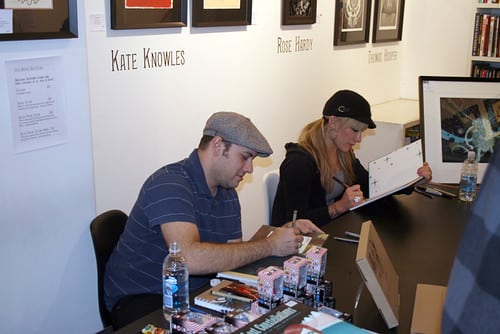
Entering the 1990s, Copro Gallery emerged as a pioneer space dedicated to Dark Surrealism, sci-fi, monster art, and underground culture. Founded in 1993, it was initially known as CoproNason—an acronym of its founders: Dan Cameron, Joe Coplan/Greg Escalante, and Joe Nason—before simplifying its name to Copro Gallery.
Greg Escalante was a pivotal figure behind the gallery. Alongside Copro, he co-founded the legendary Juxtapoz Art & Culture Magazine (1994) with Robert Williams. Escalante was a collector, curator, and key advocate who fought for subculture art to gain recognition within academic circles. Following Escalante’s passing in 2017, leadership was assumed by Gary Pressman as Gallery Director.
Since the 1990s, Copro Gallery has been situated at the Bergamot Station Art Center in Santa Monica, California. This location was both strategic and symbolic: placing a Pop Surrealism gallery side by side with high-end, conventional Fine Art galleries. It served as a bold statement that once-marginalized art could stand as equals to exclusive mainstream works.
Copro Gallery consistently featured artists exploring Dark Surrealism, sci-fi, visual effects, and horror aesthetics executed with exceptional craftsmanship and technical mastery. Thanks to Escalante’s network, artists exhibiting at Copro frequently graced the covers of Juxtapoz. Copro Gallery, alongside La Luz de Jesus and Corey Helford Gallery, formed “The Golden Triangle” of pioneer Pop Surrealism galleries in America.
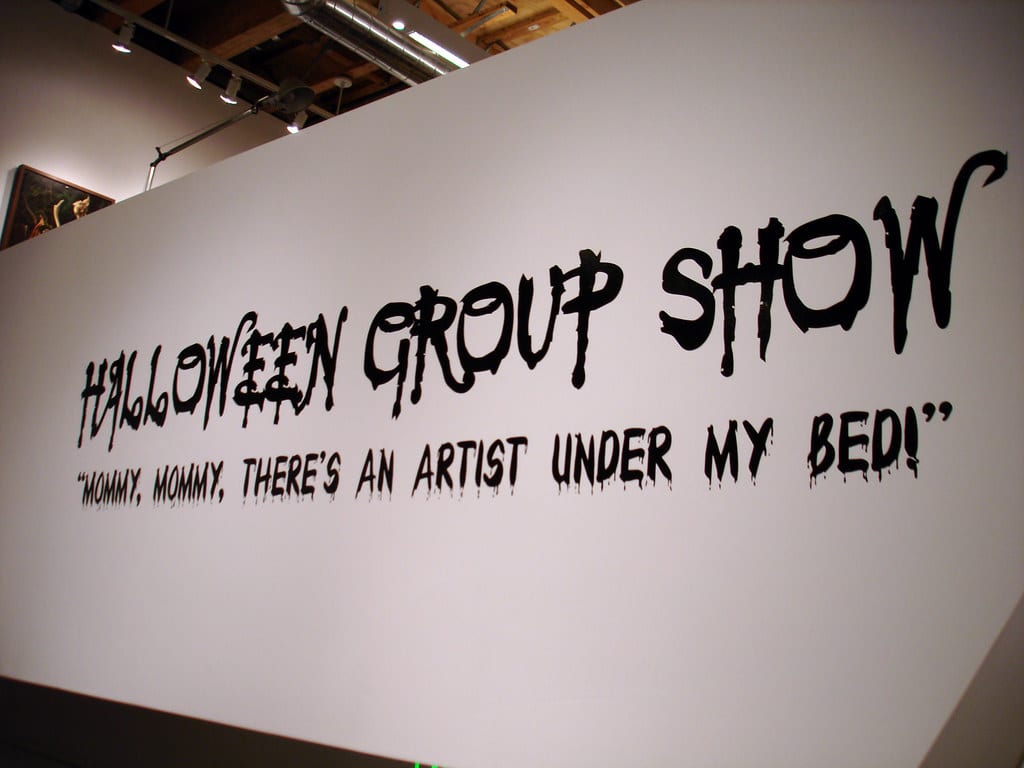
Known as “The Modern Powerhouse of New Contemporary & Pop Surrealism,” Corey Helford Gallery (CHG) is one of the most influential galleries globally today. Founded in 2006 in Los Angeles by Jan Corey Helford and Bruce Helford. Where La Luz de Jesus and Copro brought Lowbrow from garages into galleries, Corey Helford Gallery elevated Pop Surrealism to museum-level standards, connecting it with a global collector network.
Jan Corey Helford is a contemporary art collector with a deep appreciation for fine painting techniques and figurative narratives, while Bruce Helford is a top Hollywood television producer, director, and writer. They noticed that many highly skilled artists using Old Masters techniques alongside pop culture narratives faced rejection from conventional galleries in New York or Europe for being “too illustrative” or “too commercial.” CHG was established specifically to break that stigma.
In 2015, CHG relocated to a massive 1,100 m² (12,000 sq ft) space in Downtown Los Angeles (DTLA). This museum-scale infrastructure grants CHG unprecedented curatorial capacity to exhibit large-scale canvas paintings and 3D sculptural installations.
CHG maintains curatorial guidelines emphasizing technical precision (high craftsmanship) and mature narrative concepts. Furthermore, CHG actively bridges Western and Eastern artists (such as those from Japan, Korea, and broader Asia), introducing Manga Fine Art and Asian Neo-Pop aesthetics to American audiences. CHG plays a monumental role in elevating Pop Surrealism artists onto the institutional stage.
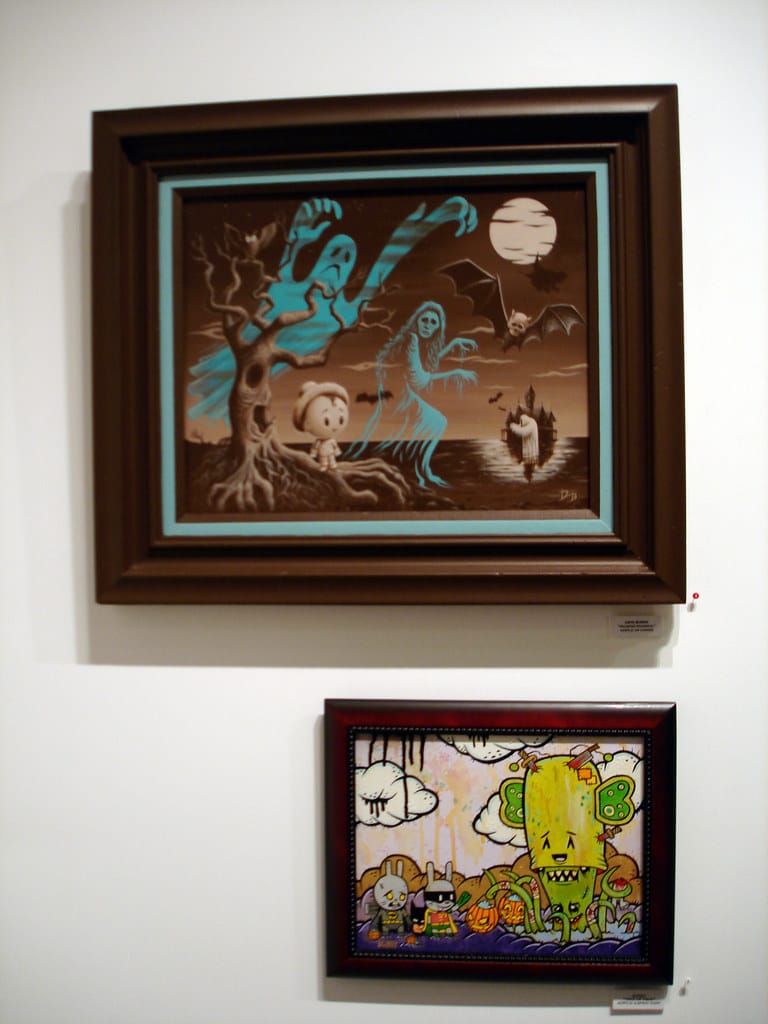
Roq La Rue Gallery is a legendary independent gallery based in Seattle, Washington (Pacific Northwest, USA). Founded in 1998 by Kirsten Anderson, the gallery took a hiatus in 2016 before reopening in 2025 in Belltown, Seattle.
Roq La Rue and Kirsten Anderson played a monumental role in the Pop Surrealism discourse. In 2004, Anderson published a landmark art history book titled “Pop Surrealism: The Rise of Underground Art.” This publication formalized the term “Pop Surrealism” in art literature, refining the term Lowbrow (which felt overly pejorative at the time). Kirsten later served as an editor at Hi-Fructose magazine, consistently covering modern figurative and surrealist artists.
Like other pioneer galleries, Roq La Rue provided an alternative sanctuary for artists turned away by conventional spaces. However, Roq La Rue introduced a distinct voice: curating works that were more poetic, dark-fairytale-inspired, mythological, and rich in narrative depth, rendered with meticulous painterly technique.
While Roq La Rue helped establish the term “Pop Surrealism,” Thinkspace Projects (often called Thinkspace) served as a primary initiator of the New Contemporary Art Movement. Thinkspace blended Pop Surrealism, Street Art, Urban Art, and illustration into a fluid, global ecosystem.
Established in 2005 in Los Angeles by husband-and-wife duo Andrew Hosner and Shawn Hosner, Thinkspace avoids rigid aesthetic limitations. They represent works at the intersection of Pop Surrealism, Urban Surrealism, Graffiti, and Illustration-Based Fine Art, emphasizing strong visual identity, emotional depth, and direct social critique.
The word “Projects” in their name reflects Thinkspace’s role beyond a commercial gallery: acting as an incubator, manager, and mentor for emerging artists to reach a global stage. Thinkspace marks a significant transition from 1990s classic Lowbrow/Punk aesthetics toward the modern New Contemporary movement active in international touring exhibitions.
Looking back at the history of these galleries, a common thread emerges: they were all born out of a bold desire to reshape the ecosystem. There was a deep commitment to creating space for outsider art and mentoring artists to stand shoulder-to-shoulder on museum-level stages.
Today, Pop Surrealism is globally embraced and recognized—as seen in the journeys of masters like Mark Ryden, Marion Peck, Yoshitomo Nara, and many others. For my own creative practice, this research serves as a foundational stepping stone as I lay the groundwork for my upcoming debut solo exhibition.
I write about art, aesthetics, philosophy,
and the ideas behind my visual work.