
It’s a quiet morning, coffee in hand, and the perfect moment to revisit the story of NFTs—this time in a more personal, easygoing way.
The pandemic years of 2020–2021 weren’t just about lockdowns—they also marked the time when NFTs burst into the spotlight. Mainstream media couldn’t stop covering them, celebrities joined in, and suddenly NFTs became a global buzzword. For many people unfamiliar with crypto, this curiosity was their entry point.
What really shocked the world were PFPs (profile pictures) being sold for jaw-dropping amounts. Critics asked, “How can a digital image possibly be worth that much?” But the truth was, it wasn’t just about the picture—it was about the access. A PFP was a key to powerful communities, where Web3 natives and Web2 influencers crossed paths, sharing what’s known as alpha (insider knowledge) that often led to new opportunities. I only began to understand these layers after stepping into the NFT space myself.
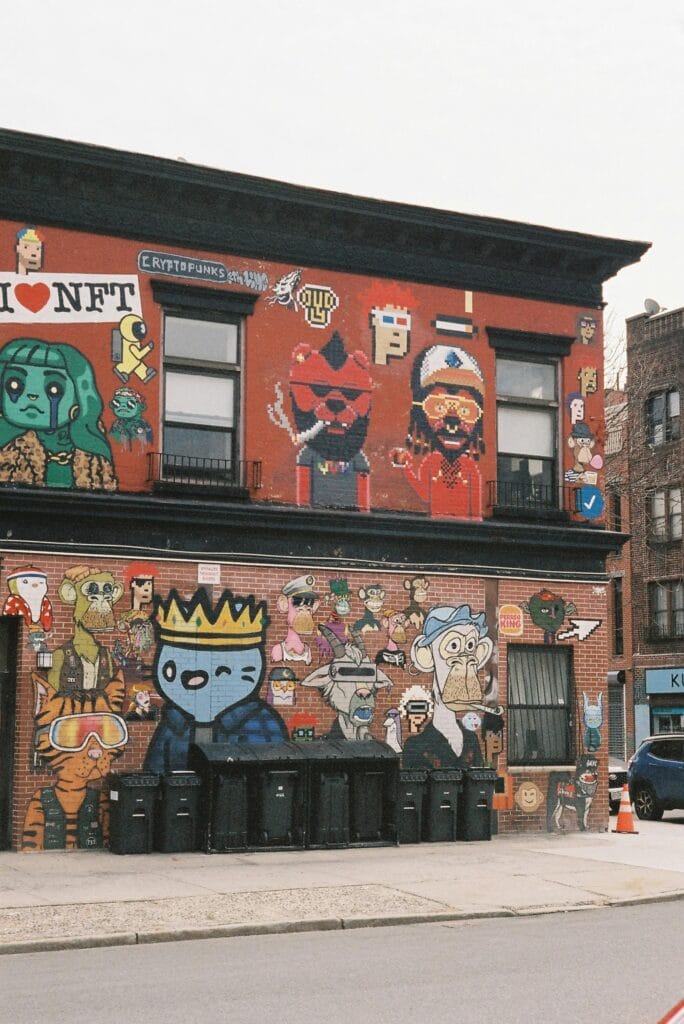
In Web3, a PFP isn’t just decoration—it’s identity, pride, and presence. Many NFT collectors never reveal their real selves, often out of awareness of digital footprints or the need to protect personal privacy. A PFP becomes more than an image: it’s a digital avatar, a virtual persona that allows someone to be recognized and remembered, even when their true identity stays hidden.
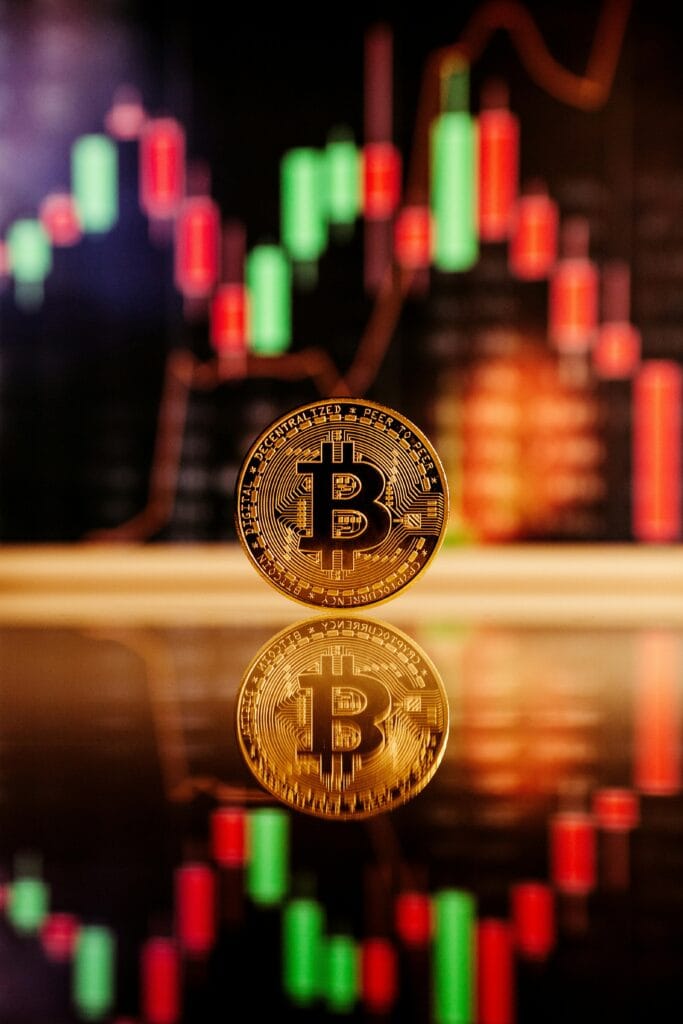
Ask “who invented NFTs?” and you won’t get a single answer. NFTs weren’t the brainchild of one genius; they grew out of experiments by the broader crypto community.
One of the earliest sparks came from Meni Rosenfeld, who proposed the idea of “Colored Coins” on Bitcoin. It was a simple but radical thought: could blockchain guarantee proof of ownership for digital assets? At the time, it felt like a technical experiment. Looking back, it was the seed that would later grow into the NFT ecosystem.
That seed eventually stretched into bigger ideas—what we now call RWA (Real World Assets): tokenizing everything from real estate to gold to government bonds. But let’s not get too far ahead. Before RWA became the hot narrative, NFTs were already finding their way into culture and art.
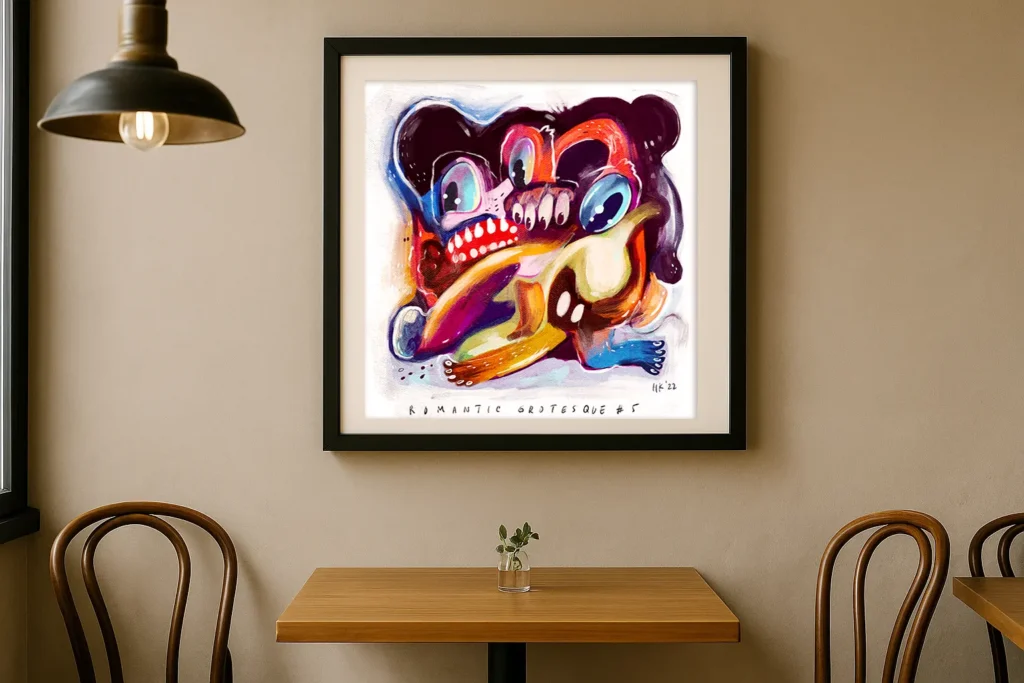
As NFTs gained traction, they began to draw in creators from outside the crypto bubble. Artists from the Web2 world saw NFTs as a new canvas—a place to experiment, to be appreciated, and to bypass traditional barriers.
What made this shift powerful was the culture itself. In Web3, there were no rigid gatekeepers. Established names and complete newcomers stood side by side, sharing the same digital walls. I felt this myself when I first entered the NFT space—it was buzzing, diverse, and filled with a genuine spirit of mutual respect.
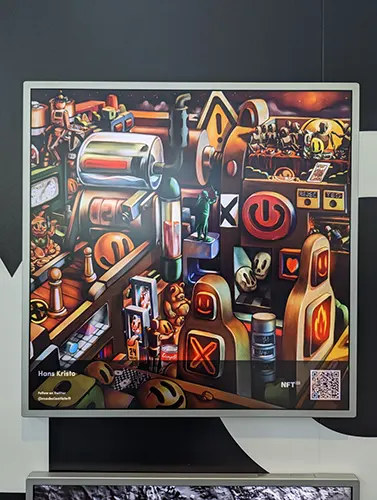
With more creators pouring into Web3, came the hunger to step beyond the digital screen. That’s where the idea of the digital canvas was born—frame-like displays that allowed NFT artworks to be shown as if they were paintings in a gallery.
Soon, big players started bridging Web3 with the traditional art world.
Take Christie’s, for example—the world-renowned auction house that surprised many by opening a dedicated NFT department. Or SuperRare, a digital art marketplace that went beyond online sales to curate exhibitions in physical galleries. These moves showed one thing clearly: NFTs weren’t meant to stay locked inside a blockchain wallet—they could command space in the physical world too.
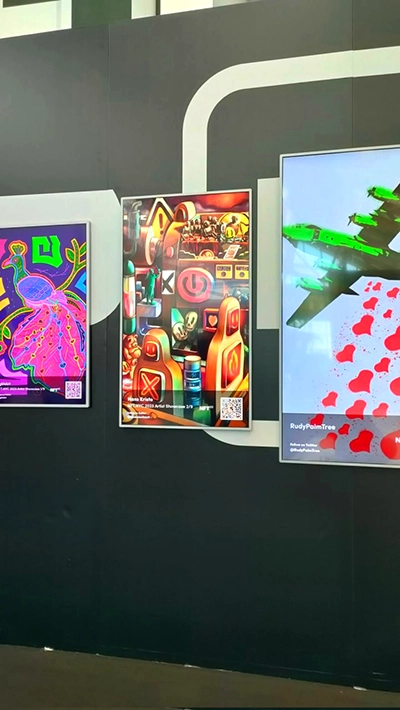
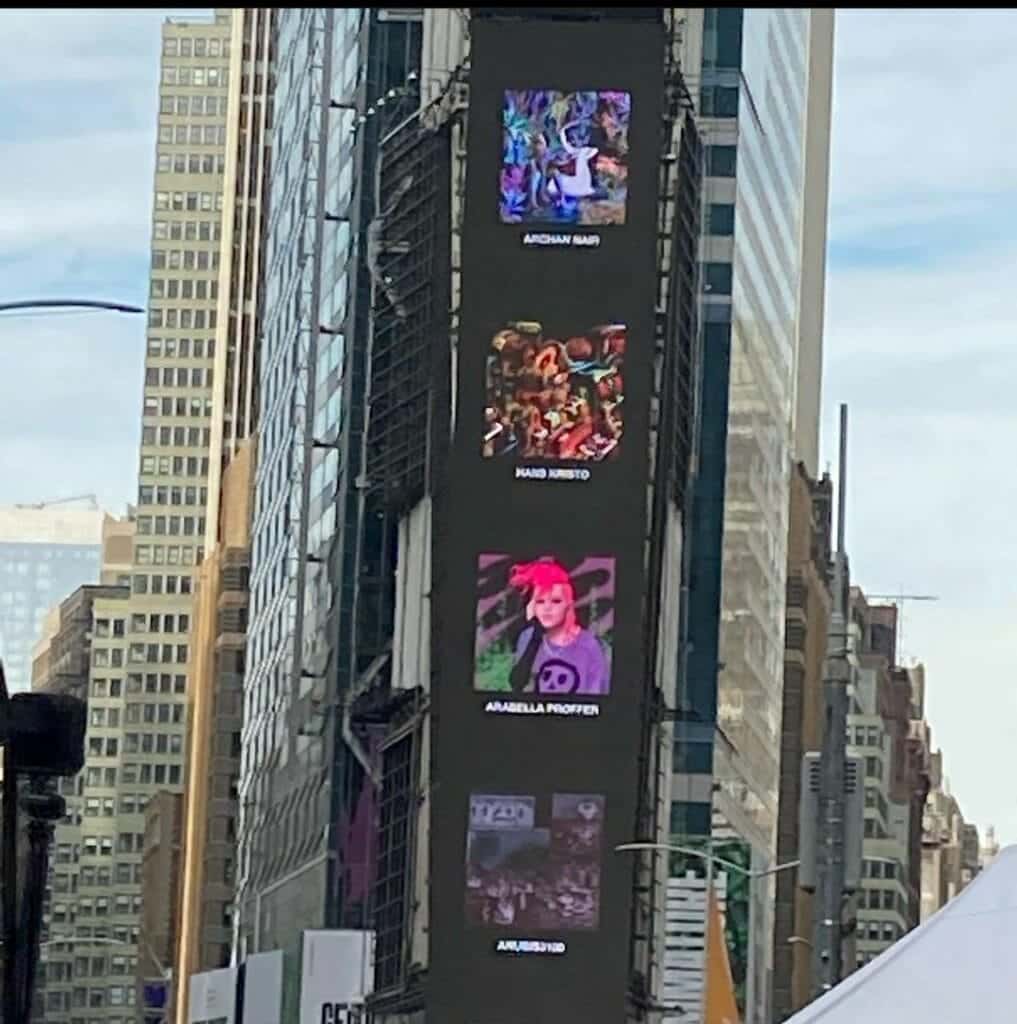
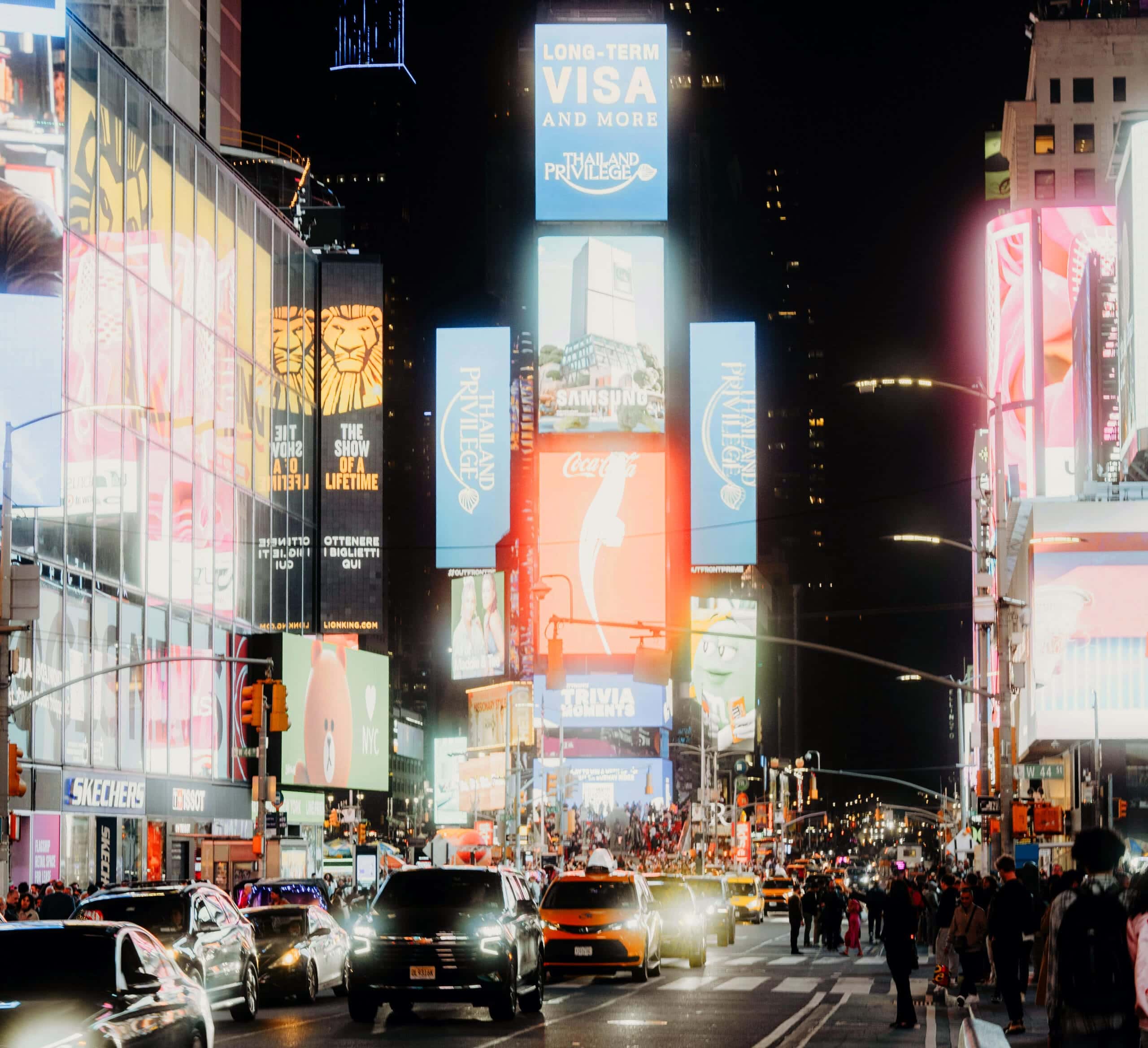
Among the biggest gatherings in the space, NFT NYC has become a week-long celebration of creativity, innovation, and community. The city itself transforms—seminars, talks, and exhibitions pop up across New York. But the true spotlight is Times Square, where a select group of artists get to see their work towering above the crowds on massive digital screens.
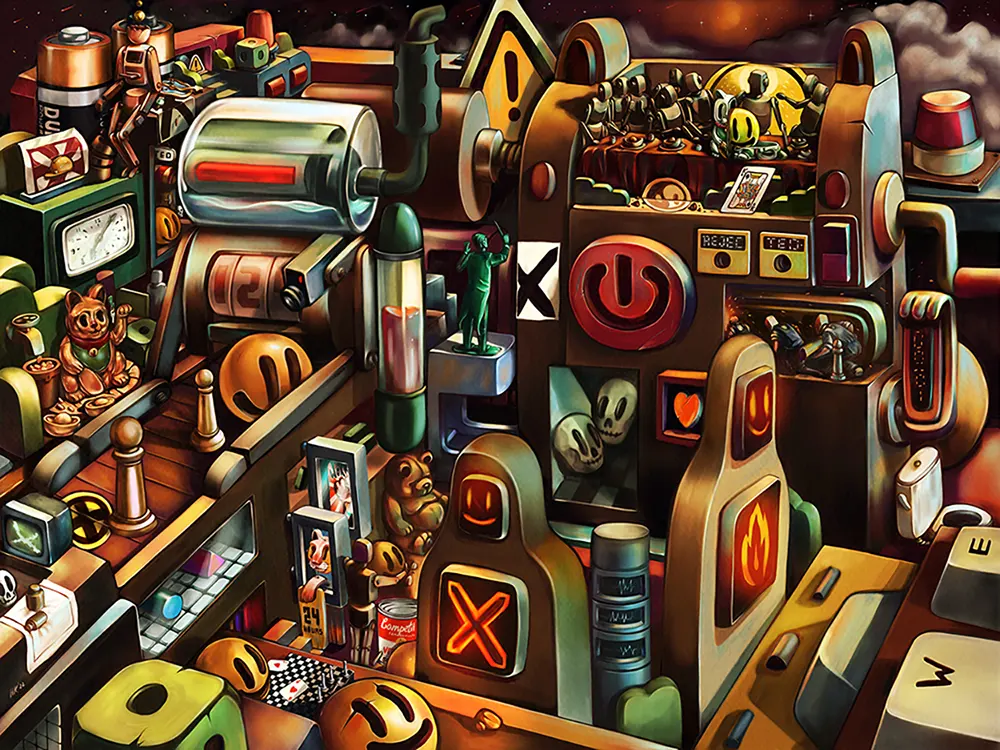
I was fortunate enough to be part of NFT NYC in 2022, 2023, 2024, and 2025. At NFT NYC 2025, the atmosphere felt more mature—more artists, more collectors, and greater media attention. Yet nothing compares to that first year, 2022, when my work lit up the giant Times Square screens and later appeared on a New York billboard. It wasn’t just a thrill—it was a milestone I’ll never forget.
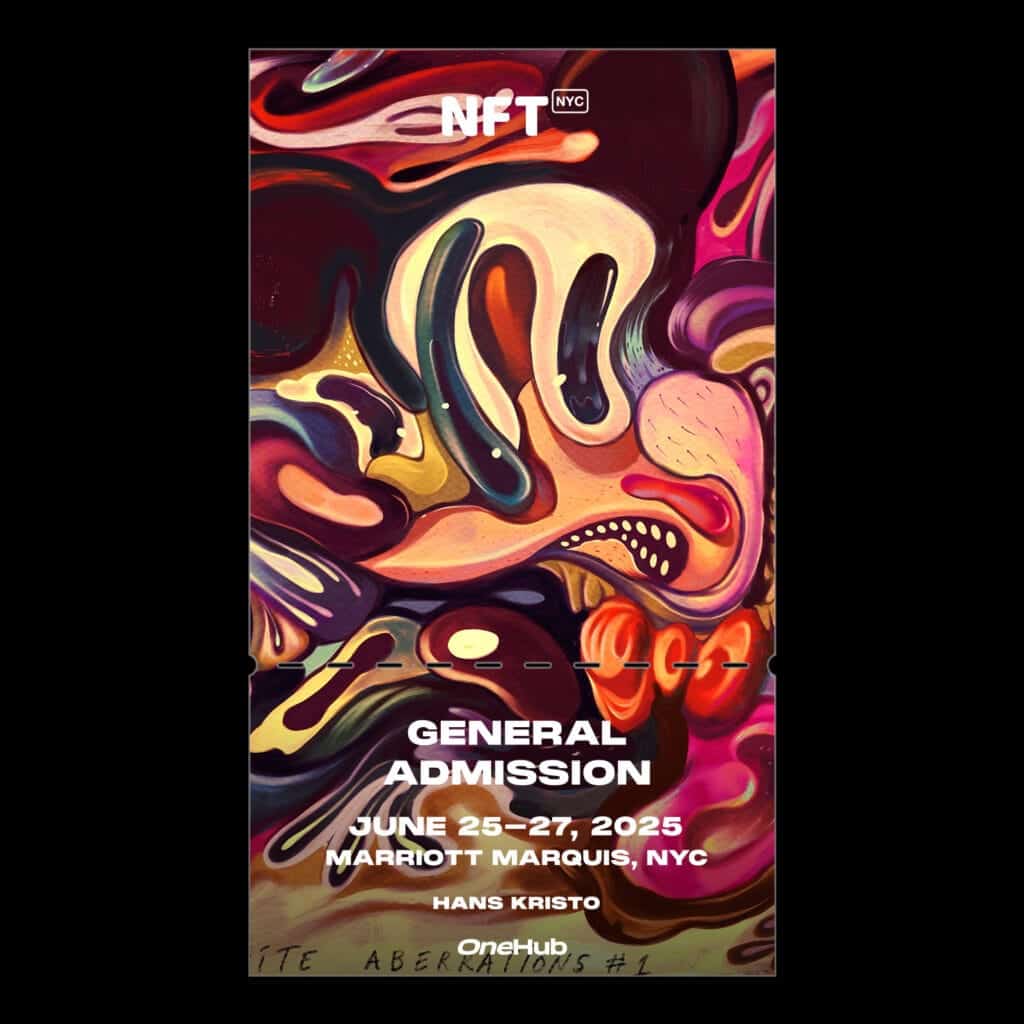
For me, NFT NYC 2025 became more than just another event; it was a benchmark in my journey as an NFT artist. It reminded me that even art born in solitude, crafted in the quiet of personal space, can eventually find its way onto the world’s stage.
This isn’t just about achievement. It’s about growth, constant experimentation, and staying true to the heart of creation. In the end, there are no limits for a creator. The medium doesn’t matter, nor does the venue. There will always be another “blank canvas” waiting for us to fill, to evolve into, and to guide us toward the next chapter of our artistic journey.
Thank you for walking with me through this story. With gratitude,
I write about art, aesthetics, philosophy,
and the ideas behind my visual work.