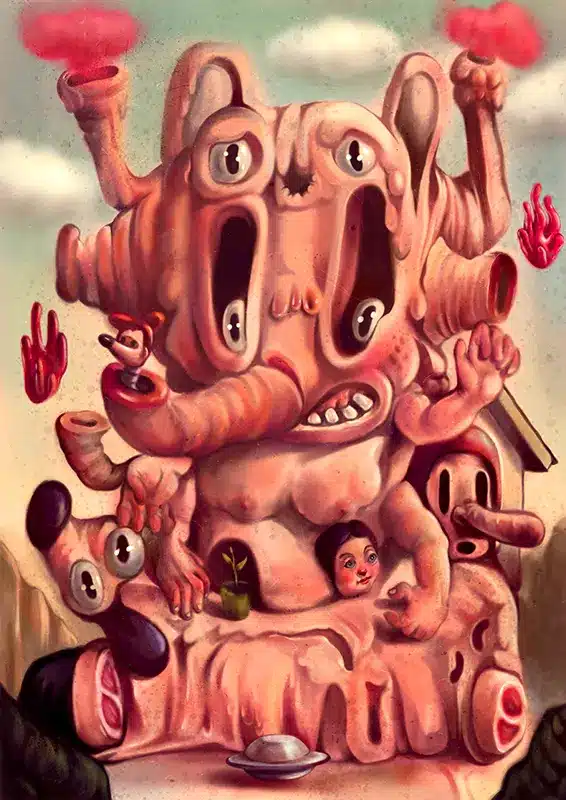
Is life anything more than a shadow that appears only to vanish again into the mist?
Since the beginning of their journey, human beings have walked within that mist—a passive veil that never lifts, shrouding both direction and purpose. Within it, they confront the unyielding laws of nature: death, loss, and the awareness of their own limitations. The hope that grows in the midst of this mist is fragile—like a dim light that may fade at any moment, yet it is precisely in its fragility that humanity continues to cling to it.
Within this misty landscape emerges a symbol that continues to haunt the human imagination: Fallen Eden. It is not merely an image of a lost paradise, but a mirror of fragile hope.
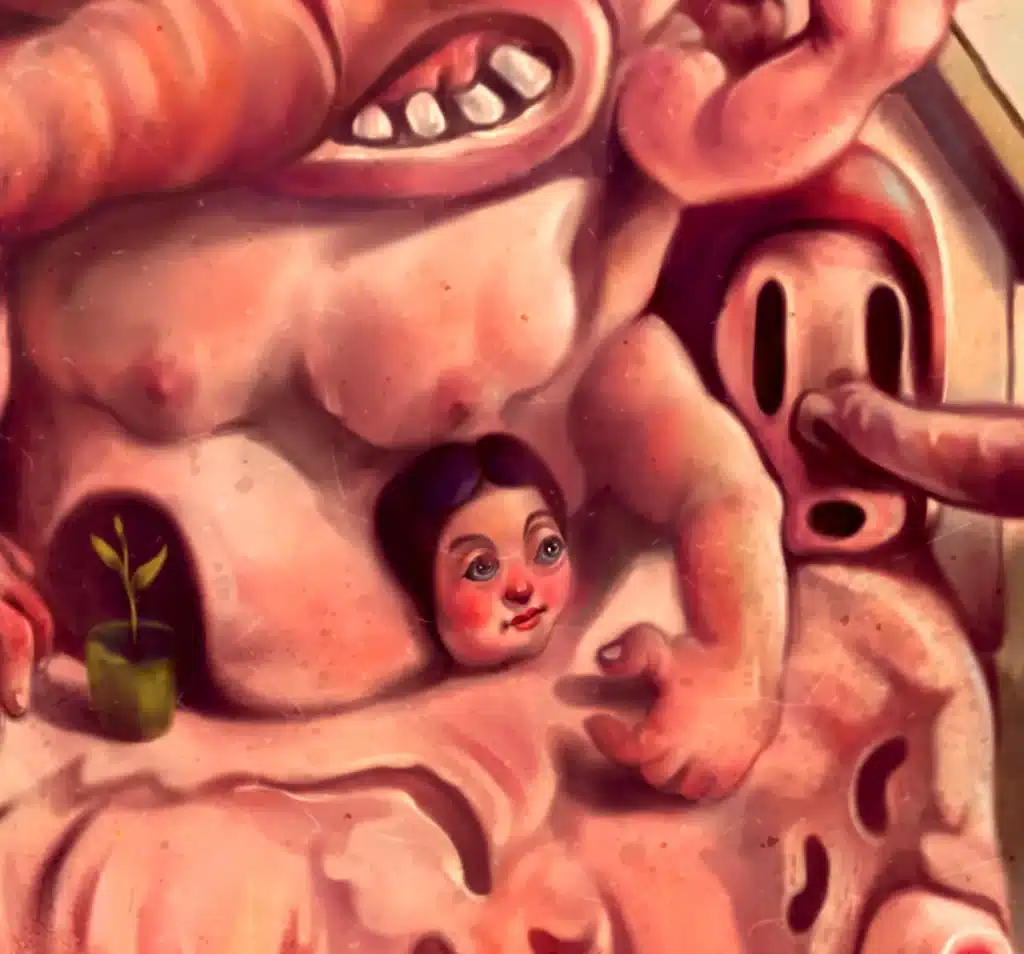
Fallen Eden represents the duality of human existence—between hope and despair, creation and destruction. First imagined as a utopian dream, it reflects humanity’s optimism in seeking light and a brighter future. Yet as reality unfolds, Fallen Eden becomes a symbol of disappointment, loss, and collapse. Even so, this work also carries the essence of renewal: a reminder that beyond destruction, new growth and meaning can still emerge.
Fallen Eden whispers that even in the ruins of utopia, fragments of possibility remain. Hope, though fragile, becomes the trembling spark of life itself—guiding us to move onward, even as the path dissolves into mist.